
Why Does Rain Sound So Loud on Some Roofs?
Rain noise on a roof can range from a gentle background murmur to a disruptive drumming, especially during heavy rains common in Newark, NY’s spring and summer seasons. The sound is caused by raindrops striking hard roof surfaces, setting off vibrations that travel into living spaces. Several factors contribute to rain noise, including roof material, insulation level, attic structure, and even the pitch of the roof.
Metal and flat roofs tend to amplify the impact of raindrops more than other roof types. In older homes or converted attics found throughout the city, minimal insulation and open attic spaces often mean less sound dampening.
Are Certain Roofing Materials Quieter Than Others?
Yes—roofing materials make a substantial difference. Asphalt shingles, the most common roofing for homes in Newark, generally offer better sound reduction compared to metal, slate, or tile. That’s because shingles have a textured, layered structure that absorbs and muffles impact noises. By contrast, metal roofing, while durable and long-lasting, is prone to echoing each raindrop unless installed with sound-absorbing underlayments.
Other options, like wood shakes or rubber roofing, can provide moderate noise reduction, but are less prevalent due to maintenance needs and climate durability. Homeowners considering re-roofing should weigh noise levels alongside factors such as energy efficiency and snow load.
How Can Attic Insulation Reduce Rain Noise?
Adding insulation in the attic is one of the simplest, most effective ways to quiet rain noise—especially for the older houses and Cape Cods common in Newark, which may have thin or aged insulation.
Here’s how insulation helps:
- Acts as a sound barrier between the roof and the living space
- Thickens the separation layer, dampening vibration
- Helps maintain temperature, offering both comfort and energy savings
Fiberglass batts, blown-in cellulose, and spray foam are the most common types. The more densely packed the insulation, the more effective it is at reducing noise. In homes with accessible attics, upgrading insulation can often be handled during routine maintenance or energy efficiency improvements.
What Role Do Roof Decking and Underlayment Play?
Beneath shingles or tiles, the roof decking and underlayment form critical layers for weather and noise protection. In the city’s climate, most homes have either plywood or oriented strand board (OSB) decking. For quieter interiors, thicker decking can be used during roof replacement projects for added mass.
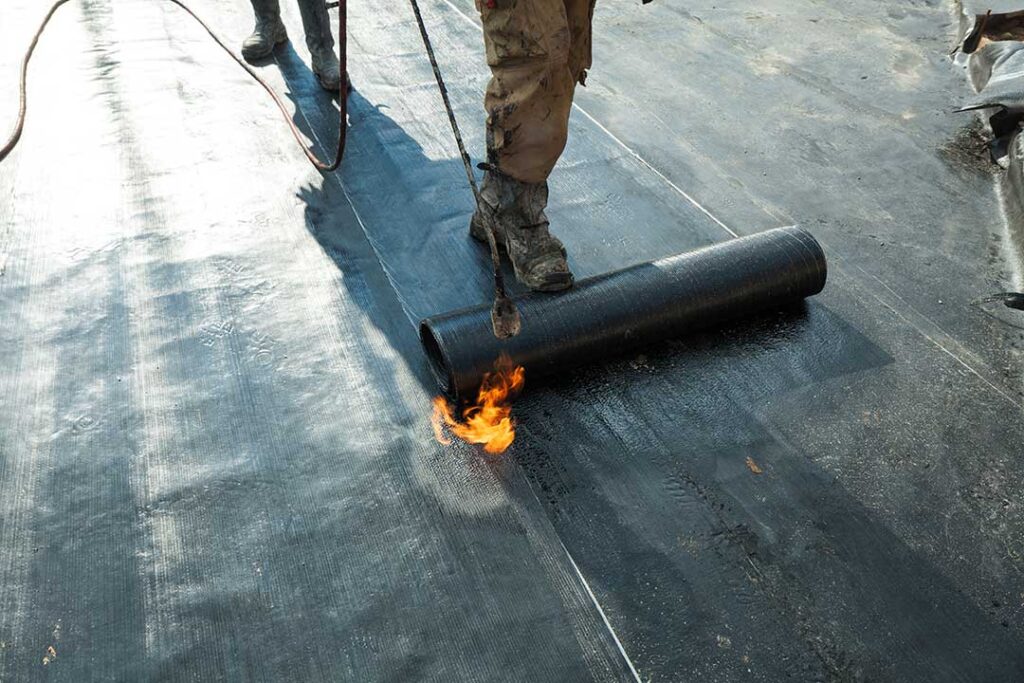
Underlayment options range from basic roofing felt to sound-dampening membranes made from synthetic materials. Specialty acoustic underlayments can absorb some vibration before it enters your attic space. Retrofitting these layers requires roof work, so they’re usually installed during complete roof replacement or major repair.

Can Ceiling Treatments Help Mute Rain Sound?
For rooms directly below the roof—such as finished attics, Cape Cod bedrooms, or additions without much attic space—upgrading the ceiling can help reduce overhead rain noise. Drywall is better at blocking sound compared to lightweight paneling or drop ceilings.
Adding a second layer of drywall, particularly with a dampening compound in between, can further reduce rain noise. Acoustic ceiling tiles, manufactured specifically to absorb sound, may also be useful in local homes with minimal attic separation.
Do Landscaping or External Barriers Make a Difference?
While trees and overhangs can alter the sound of rain before it reaches the roof, they’re not a primary solution for most local homes. However, some residents report that tall shrubs or trees close to the house can soften rainfall, diffusing the impact on certain roof sections. Careful planting might make subtle improvements, but should never come at the cost of roof health—overhanging branches can clog gutters or damage shingles.
What Common Misconceptions Exist About Quieting a Noisy Roof?
Many assume that replacing a roof is the only way to reduce rain noise, but often, improvements inside the attic or living space are more cost-effective and disruptive. Others believe that all metal roofs are noisy by default; with modern underlayments and proper insulation, even metal roofs in the city can be surprisingly quiet.
Finally, not all noise solutions are practical for every house in Newark, NY. The design, roof type, age, and overall insulation level all interact to affect sound transmission, so addressing the right part of your roof system is important.
What Should Newark Homeowners Consider for Lasting Quiet?
In Newark’s climate, reducing rain noise often aligns with efforts to weatherproof and insulate homes against cold and damp. The most effective solutions involve maintaining attic insulation, ensuring the right underlayment and decking are used during roofing projects, and plugging gaps between the attic or roof and the interior.
Area households experiencing disruptive rain sounds can start by inspecting insulation or considering ceiling improvements. Major roof modifications usually wait until scheduled roof work or renovations. By targeting both exterior and interior surfaces, local residents can enjoy a quieter, more comfortable home even during the city’s heaviest rains.
