
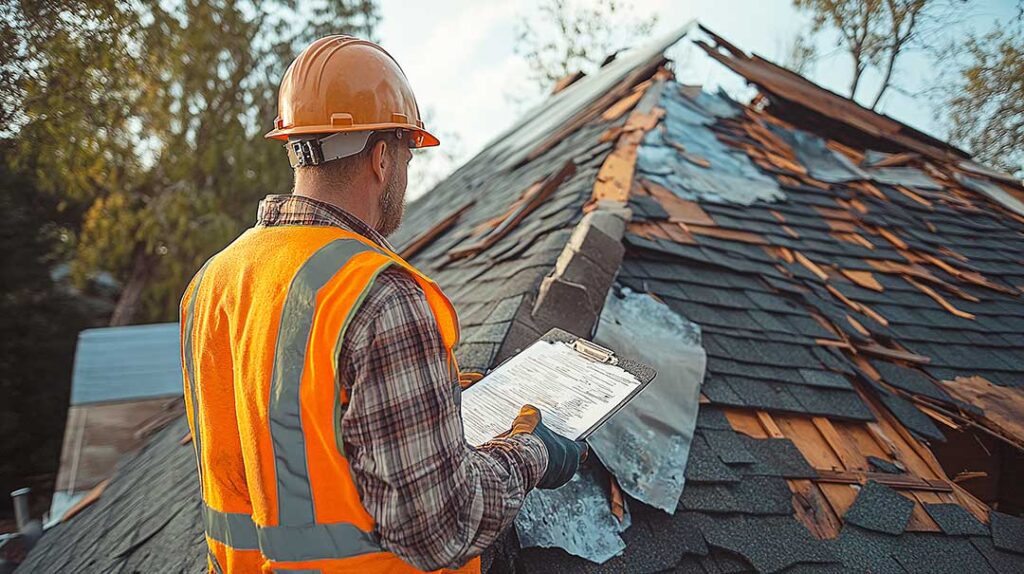
What Are Soffits and Fascia, and Where Are They Found?
Soffits and fascia are essential parts of a roof’s edge, located where your roof meets your home’s exterior walls. They serve both protective and appearance-related functions. The soffit is the horizontal surface tucked under the roof’s overhang, while fascia is the vertical finishing edge that caps the end of roof rafters. In Newark, NY, most residential roofs—particularly on single-family and historic homes—feature both, which are often visible from ground level.
Why Do Homes in Newark, NY Need Soffits and Fascia?
The main job of soffits and fascia is to shield roof components and interior spaces from weather, animals, and debris. This is especially crucial in areas with Newark’s climate, which brings humid summers, snow, ice, and blustery winds off nearby waterways.
Here’s how they help local residents:
- Defend Against Moisture: Soffits and fascia create a barrier that prevents rain and snow from seeping into attics and wall cavities. In the freeze-thaw cycles of Newark winters, this helps stop rot and mold in wood rafters and ceilings.
- Ward Off Pests: By covering open rafter tails and eaves, they keep birds, squirrels, bees, and insects from nesting inside roof structures—a common issue in the city’s leafier neighborhoods.
- Maintain Roof Ventilation: Many soffits are perforated or vented, allowing air to circulate into the attic. This minimizes heat buildup and condensation, which can damage insulation and shorten roof lifespan.
- Enhance Curb Appeal: While functional, these components also give homes a neat, finished edge that fits well with the historical and suburban character seen throughout the area.
How Do Soffits and Fascia Contribute to Roof Ventilation?
Soffits work in tandem with roof vents to ensure attics stay dry and cool. Newark’s climate, with its warm, often muggy summers, makes adequate attic ventilation an important need for local homes.
Their key role:
- Vented soffits let fresh outside air enter the attic at the roof’s lower edge, while hot air escapes through higher vents.
- This airflow helps prevent damaging heat and moisture buildup, which can warp sheathing, degrade insulation, and encourage mold growth.
By maintaining this balance, soffits help local homes remain energy efficient throughout the seasons—a benefit many residents appreciate during both summer heat waves and winter heating cycles.
What Materials Are Typical in the Area, and How Do They Affect Durability?
Homeowners in Newark encounter a variety of soffit and fascia materials, each with pros and cons suited to the region’s seasonal swings.
- Wood: Traditional and attractive, but can be high-maintenance. Rot, bugs, and peeling paint are concerns in the wet spring and snowy winter seasons.
- Aluminum: Resistant to rust and insects, lightweight, and holds paint well—popular in homes built or updated in the past few decades.
- Vinyl: Low-maintenance and weatherproof, though it can become brittle or warp if exposed to temperature swings or direct sun, especially on older installations.
Durable, properly installed soffits and fascia support longer roof life. However, wood types demand regular painting and inspection to avoid small water leaks—something local residents should watch for after especially wet winters or windstorms.
What Are Signs of Soffit or Fascia Trouble That Newark Residents Should Watch For?
Regular inspection is a practical habit during seasonal chores or after major storms. Issues often begin subtly but can affect the whole home’s well-being if left unchecked.
Signs to look for:
- Peeling, bubbling, or missing paint (may signal trapped moisture)
- Sagging or visibly separated panels
- Soft spots or dark streaks (potential signs of rot or mold)
- Evidence of animals or insects taking shelter near the roofline
- Blocked soffit vents (from overgrown plants, nests, or debris)
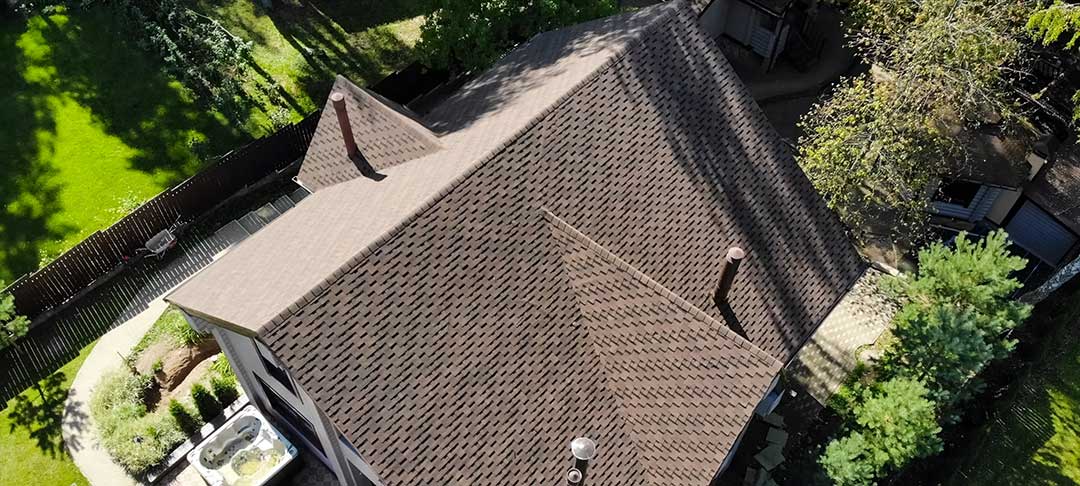
Localized ice dams in winter—where snowmelt re-freezes at roof edges—can stress these components and may lead to water leaking behind fascia boards.
Can Soffits and Fascia Be Maintained or Repaired by Homeowners?
Many routine soffit and fascia care tasks are manageable for residents with basic tools and a steady ladder, provided safety precautions are taken (especially on taller homes or icy driveways).
Simple steps may include:
- Cleaning out debris and cobwebs from soffit vents each spring and fall
- Touching up small areas of peeling paint or caulking minor separations
- Checking for pest entry points and sealing them promptly
More extensive repairs (like rotten wood replacement or fixing leaks following a severe storm) may require specialized knowledge of roof framing and waterproofing—tasks best approached with caution, if at all, by the average homeowner.
What Are Common Misunderstandings About Soffits and Fascia in this Region?
A frequent misconception is that soffits and fascia are purely decorative. In reality, they are vital for moisture protection, ventilation, and energy efficiency—especially given the region’s precipitation and humidity levels.
Another overlooked point: clogged or blocked soffit vents do not just reduce airflow, but can create an environment inside attics where mold and ice dams thrive. Regular care and attention to these details pay off over years of severe weather.
How Do Local Weather and Home Styles Affect Choice and Longevity?
The climate and home styles in Newark influence how soffits and fascia age. Houses with deep roof overhangs or high-pitched gables, common in many of the area’s older neighborhoods, experience more wind-driven rain and ice buildup.
Considerations for residents:
- Wide eaves may require larger or multiple soffit vents to keep attics dry
- Historic homes may face challenging repairs due to older or uncommon construction methods
- The freeze-thaw cycles of local winters put extra stress on joints and paint finishes
For these reasons, choosing durable, weather-resistant materials and planning regular seasonal checks helps households avoid preventable problems.
