

What Should You Do First if You Discover Sudden Roof Damage?
If you notice a leak, fallen branch, or severe shingle damage, your first step is to stay calm and assess the situation from a safe spot inside your home. Do not climb onto a wet or storm-damaged roof, as conditions can be hazardous. Instead, check for visible leaks within your living space—especially ceilings, attic floors, or along walls—where water might be entering.
If water is dripping inside, collect it with buckets or containers and move valuables away from the affected area. For larger leaks, try placing tarps or thick plastic sheeting on the floor to limit further water intrusion. In most cases, accessing the roof itself during active weather or darkness is not recommended.
How Can You Minimize Interior Water Damage Before the Roof Is Fixed?
Stopping water from spreading through your home is essential. Once you've contained direct drips:
- Use towels or mops to absorb any standing water.
- Open a window or door for ventilation if weather permits, which can help dry saturated areas and lower humidity that leads to mold.
- In attics, place a board across joists and a bucket beneath any overhead leaks. This prevents water from dripping directly down walls or through ceilings.
- If insulation becomes soaked, monitor for signs of sagging drywall. A bulging ceiling should be addressed cautiously to avoid collapse.
If possible and safe, you may be able to pin or tape heavy plastic over damaged portions inside the attic to slow indoor leaks until outdoor work is possible.
What Temporary Roof Repairs Are Realistically Achievable in Newark Homes?
Especially during storms, attempting an outdoor fix can be dangerous and usually should wait until the weather stabilizes. If you feel conditions are safe and only during daylight, some homeowners are able to:
- Place a heavy-duty tarp over the affected roof section, weighted or loosely anchored, to reduce further rain penetration.
- Use boards to secure the tarp edges, ensuring they extend several feet beyond the damaged area for best coverage.
- Avoid using nails, screws, or adhesives on wet, wind-blown shingles, as this often leads to more roof damage.
- Never attempt temporary repairs in icy, snowy, or lightning conditions common in the region's fall and winter months.
For many residents, focusing on inside mitigation—such as leak containment and moisture control—is safest and most effective until conditions improve enough for survey and repairs.
Which Types of Roof Damage Require Immediate Professional Attention?
Situations that threaten structural safety, violate local building codes, or involve hazardous materials must not be handled by untrained individuals. Call emergency responders or municipal authorities if:
- There's major structural collapse (such as from a large falling tree or heavy ice dam).
- Electrical wires have been exposed or are near water leaks.
- Fire damage has affected the roof.
- The roof is made from older materials that may include asbestos or other hazardous substances.
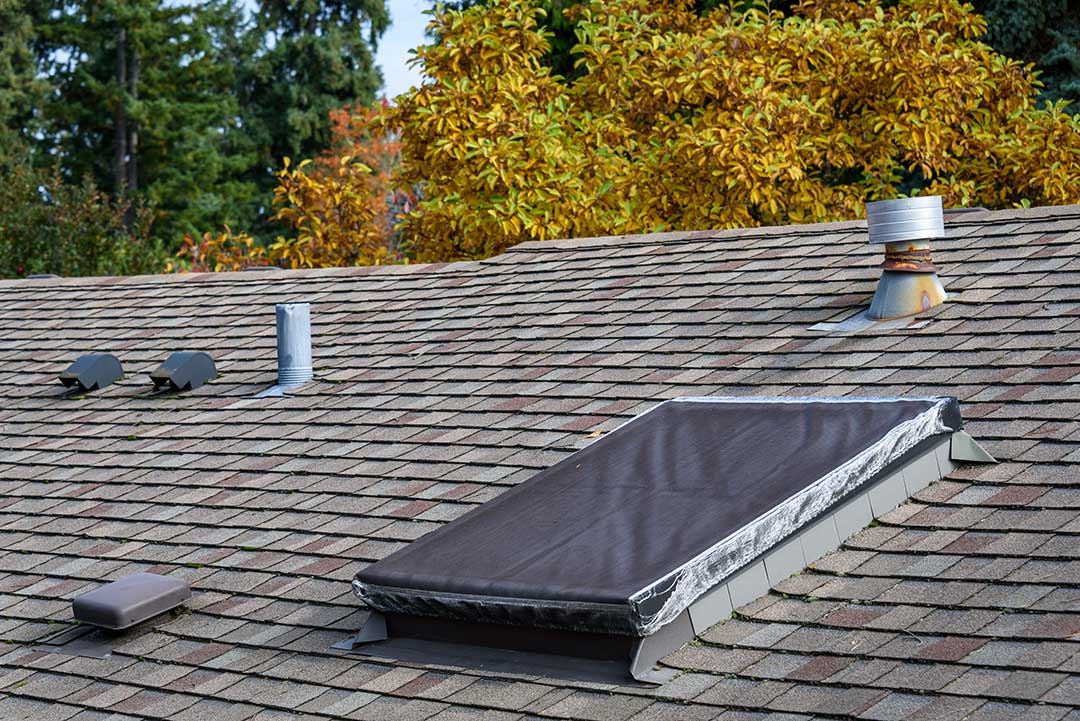
Additionally, homes with solar panels, skylights, or complicated chimneys present risks if not properly assessed.
Common Emergency Roof Issues in Newark’s Climate
The local area sees a range of weather—snow and ice in winter, gusty rainstorms in spring and fall, and wind events year-round. Frequent emergency roof challenges include:
- Ice dams causing meltwater to back up under shingles and enter attics.
- Wind-blown shingles leaving bare patches.
- Heavy tree branches falling onto the roof.
- Flashing or gutter failures that allow water along edges or into walls.
Residents should remember that “patching” a roof with caulk, tar, or hardware-store products often creates temporary relief but does not address underlying structural issues. Such stopgaps should be replaced with a thorough inspection and repair as soon as possible.
How Can Area Households Prepare for Future Roof Emergencies?
Proactive care reduces the impact of sudden damage:
- Keep gutters clear from leaves or debris, especially in spring and autumn.
- Trim branches that overhang your house before severe storms.
- After heavy snow, use a roof rake from the ground to remove excess buildup if recommended by local safety guidelines.
- Know your home’s shutoff points for electricity in areas prone to leaks.
It’s wise for local households to maintain an emergency kit that includes heavy plastic sheeting, buckets, rags, flashlights, rope, and basic tools in an accessible spot.
Misconceptions About Emergency Roof Repairs
One common myth is that tarps or temporary caulking can substitute for real repairs. In reality, these measures are designed for short-term protection only. Another misunderstanding involves insurance—most policies require that homeowners take steps to minimize damage, but they do not expect unsafe or risky roof work. Save photos of any damage and document the steps you take during an emergency.
Where to Find Reliable Information After a Roof Emergency
Local news, municipal websites, and the area’s building code office offer up-to-date information on storm safety and recovery. Neighbors and community bulletin boards may share weather alerts or neighborhood-specific tips. While waiting for a full repair, these resources can help you make practical decisions for your home and family.
