
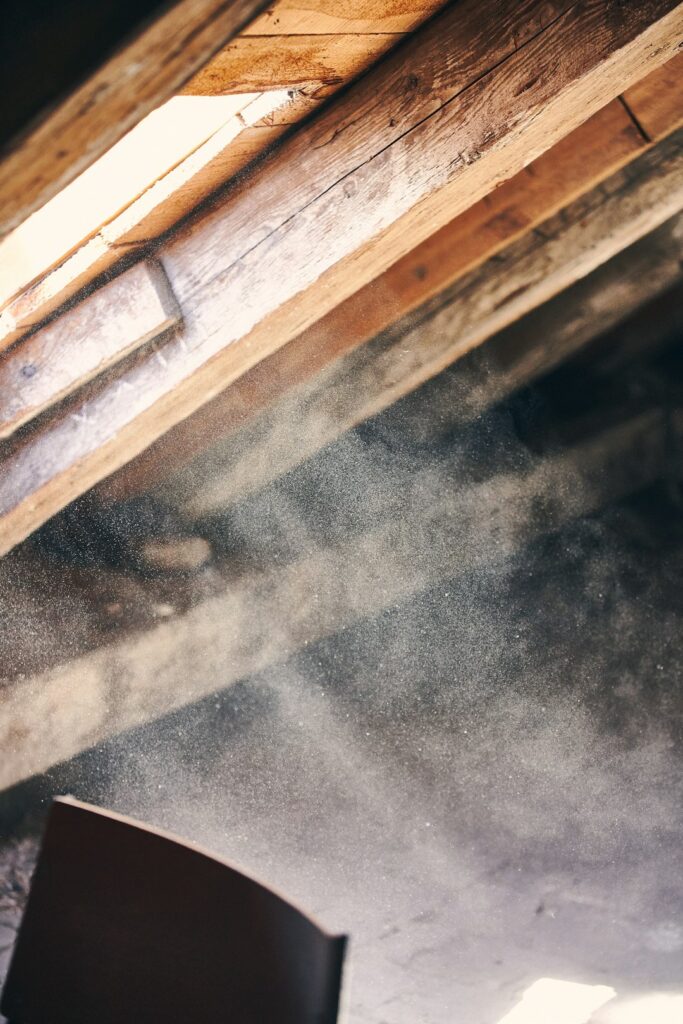
Can a new roof really reduce allergens inside a home?
Yes, but mainly by reducing moisture problems that allow mold, mildew, and dust-related particles to build up. A new roof does not remove every indoor allergen, and it will not replace cleaning or ventilation. However, a properly installed roof can help keep rain, melting snow, and humid outdoor air from entering attic spaces and wall cavities.
For households in Newark, NY, this matters because roofs must handle snow, spring rain, summer humidity, freeze-thaw cycles, and occasional wind-driven precipitation. Even a small leak can create damp insulation or roof decking where mold may grow out of sight.
A roof replacement can support healthier indoor air when it includes more than new shingles. Effective moisture control also depends on flashing, underlayment, ventilation, insulation, and proper drainage.
How can roof leaks affect indoor air quality?
Roof leaks introduce water into areas that are not designed to stay wet. Common trouble spots include:
- Attic insulation
- Roof sheathing and rafters
- Ceiling materials
- Wall cavities near exterior walls
- Areas around chimneys, vents, and roof openings
When these materials remain damp, mold can begin developing. Mold releases spores into the air, and those spores may move from an attic or wall cavity into occupied rooms through gaps around light fixtures, recessed lights, electrical openings, attic hatches, ductwork, and other penetrations.
A leak may not always appear as a visible ceiling stain. Water can travel along framing before becoming noticeable. Musty odors, peeling paint, recurring discoloration, damp insulation, or unexplained increases in indoor humidity may indicate a moisture problem above the ceiling.
A new roof can reduce the chance of these conditions by replacing failed roofing materials and correcting the points where water is entering.
Which roofing problems are most connected to allergens?
The most relevant issues are those that allow repeated moisture entry or prevent damp areas from drying.
Damaged or aging roof coverings
Cracked, curled, or missing shingles can allow water to reach the underlayment and roof deck. Older roofing may also have worn sealant around exposed fasteners and penetrations.
Failed flashing
Flashing directs water away from vulnerable transitions, such as roof valleys, walls, chimneys, and plumbing vents. Bent, corroded, loose, or improperly installed flashing can cause leaks even when the surrounding shingles appear acceptable.
Poor attic ventilation
Ventilation does not correct an active leak, but it helps remove heat and moisture from the attic. Without adequate airflow, condensation can form on cold roof surfaces during colder weather. Persistent dampness may contribute to mold growth and musty odors.
Blocked or poorly directed drainage
Clogged gutters, damaged downspouts, and inadequate drainage can allow water to back up near roof edges. This may affect fascia, soffits, exterior walls, and attic areas. Water that repeatedly reaches these locations can create hidden moisture damage.
Openings around roof equipment
Plumbing vents, exhaust vents, skylights, and other roof penetrations require carefully sealed connections. A new roof provides an opportunity to inspect and renew these areas rather than covering over an existing weakness.
Does a new roof remove mold that is already present?
No. A new roof stops or reduces the source of moisture, but existing mold still needs to be addressed separately. Moldy insulation, roof decking, drywall, or framing may remain contaminated after the roof is replaced.
The proper response depends on the size and location of the affected area. Small surface growth on a washable material may be handled differently from widespread growth inside insulation or wall cavities. Materials that are porous, heavily damaged, or repeatedly wet may need removal rather than simple cleaning.
A roof replacement should therefore be viewed as moisture-source correction, not mold remediation. If a home has a persistent musty smell or visible growth, replacing the roof without examining the attic and affected interior areas may leave part of the problem unresolved.
How do roofing materials and ventilation affect humidity?
A roof assembly should keep water out while allowing the attic to manage heat and moisture. This usually involves several coordinated layers:
- The exterior roof covering sheds rain and snow.
- Underlayment provides an additional water-resistant layer.
- Flashing protects joints and penetrations.
- Insulation limits heat transfer between the living space and attic.
- Air sealing reduces warm, moist indoor air escaping into the attic.
- Ventilation helps remove excess heat and moisture.

Roof ventilation is often misunderstood. More vents are not automatically better. Intake and exhaust openings need to work together, and ventilation should not pull air from the living space into the attic. Bathroom and kitchen exhaust fans should discharge outdoors through properly routed ducts, not into attic insulation.
In cold weather, warm indoor air entering a poorly sealed attic can condense on colder surfaces. That moisture can contribute to mold growth even if the roof itself is not leaking.
Can roofing work reduce dust and pollen indoors?
Only indirectly. A new roof does not filter pollen, dust, or pet allergens from the air. Those particles usually enter through doors, windows, HVAC systems, clothing, pets, and ordinary household activity.
However, reducing roof-related moisture can prevent damp conditions that make dust, mold, and musty odors more difficult to control. Dry building materials are easier to maintain, and a sound attic is less likely to release particles through gaps or disturbed insulation.
Families should also avoid assuming that every allergy symptom comes from the roof. Indoor allergens may come from carpets, furnishings, bedding, pests, pets, or poorly maintained heating and cooling equipment. Roofing is one part of a broader indoor-air-quality picture.
What should homeowners check during a roof replacement?
A roof replacement is a useful time to inspect the entire roof-and-attic system, not just the visible covering. Questions worth asking include:
- Is there evidence of old water staining or damp insulation?
- Is the roof deck solid, dry, and free of widespread decay?
- Are flashing details being corrected rather than covered?
- Are soffit and ridge ventilation paths open?
- Are bathroom and kitchen exhaust ducts routed outdoors?
- Are attic air leaks around fixtures, wiring, and hatches being addressed?
- Are gutters and downspouts moving water away from the foundation?
- Are damaged interior materials being identified separately from roofing work?
These checks help distinguish a cosmetic roof replacement from a moisture-control improvement. The most effective result comes from keeping water out, allowing the attic to dry, and preventing humid household air from reaching cold roof surfaces.
What signs suggest that roof-related allergens may be affecting a home?
Possible warning signs include a musty smell that is strongest near the attic or upper ceilings, recurring ceiling stains, visible mold near roof penetrations, damp insulation, peeling paint after rain, or indoor humidity that remains high despite normal heating and cooling.
Seasonal patterns can provide clues. A problem that appears after snowmelt or heavy rain may point toward water entry. Condensation or frost in the attic during cold periods may suggest air leakage or inadequate ventilation. Symptoms that improve when occupants spend time away from the home do not prove a roofing problem, but they may justify a closer inspection of moisture sources.
If water has reached electrical components, ceilings are sagging, or extensive mold is present, safety should take priority. Electrical hazards and heavily contaminated materials require appropriate assessment before cleanup or repair begins.
A sound roof cannot eliminate all indoor allergens, but it can help maintain a dry, stable building envelope. For homes in Newark, that means paying attention not only to shingles, but also to flashing, attic airflow, insulation, drainage, and the signs of hidden moisture. When these parts work together, the home is less likely to develop the damp conditions that support mold and persistent musty air.
