
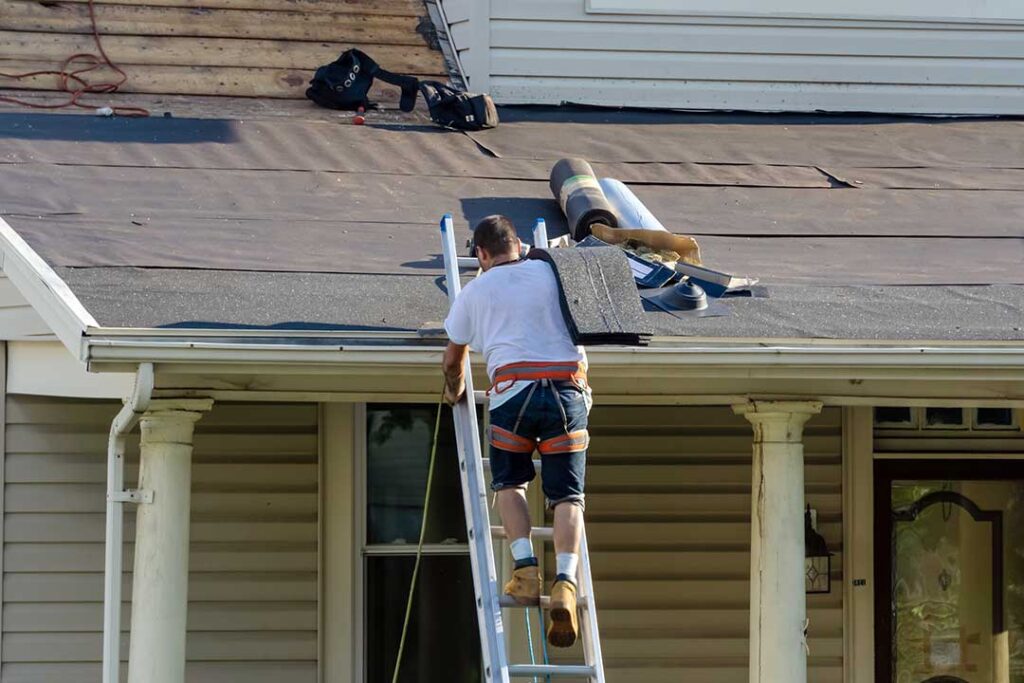
Replacing a roof can help reduce energy bills, but the savings usually come from more than the roofing material alone. A properly planned replacement can improve attic ventilation, reduce air leakage, support better insulation performance, and help the home manage summer heat and winter cold more effectively.
For households in Newark, NY, these improvements can matter because roofs face repeated seasonal stress. Cold winters, snow, wind, spring moisture, and hot summer sun all affect how well the roof and attic protect the living space below.
How can a roof replacement affect energy use?
A roof replacement can lower energy demand when it corrects problems that allow heat to move too easily through the attic. The roof itself is only one part of the system. Energy performance also depends on the attic floor, ventilation openings, air sealing, moisture control, and the condition of nearby building materials.
During winter, warm indoor air naturally rises. If the attic floor has gaps around wiring, plumbing, recessed lights, or access panels, heated air can escape into the attic. That makes the heating system work harder. In summer, heat absorbed by the roof can raise attic temperatures and increase the workload on air-conditioning equipment.
A replacement project provides an opportunity to inspect these connected parts instead of installing new roofing over hidden problems.
Does a new roof automatically lower utility bills?
No. New shingles or other roof coverings do not automatically produce noticeable energy savings. If the attic is poorly insulated, air leaks remain unsealed, or ventilation is improperly designed, the energy benefit may be limited.
The strongest results usually come when roofing work is considered together with:
- Attic insulation
- Air sealing at the attic floor
- Proper intake and exhaust ventilation
- Weather protection around roof penetrations
- Repair of moisture damage
- Improvements to attic access doors or pull-down stairs
A roof replacement may still be necessary because of age, leaks, or structural deterioration, but energy savings should be viewed as one possible benefit of a complete roof-and-attic improvement rather than a guaranteed result from new roofing alone.
Why does attic ventilation matter?
A balanced ventilation system helps move air through the attic and manage heat and moisture. Intake vents allow outdoor air to enter near the lower roof edge, while exhaust vents release warmer, moist air higher in the roof assembly.
In summer, ventilation can help limit extreme attic temperatures. In winter, it can reduce moisture accumulation caused by warm indoor air reaching cold roof surfaces. Excess moisture may contribute to mold, wood deterioration, rusted fasteners, or weakened insulation.
Ventilation does not replace insulation. A well-ventilated attic can still lose heat if the attic floor is under-insulated or full of air leaks. Likewise, adding vents without considering the existing airflow pattern may not solve the problem and can sometimes reduce the effectiveness of the system.
Can roof color influence cooling costs?
Roof color and material can affect how much solar heat the roof absorbs, especially during sunny summer weather. Darker surfaces generally absorb more heat than lighter or more reflective surfaces, although the actual effect depends on roof design, insulation levels, attic ventilation, tree cover, and the amount of air conditioning used.
For many homes, attic insulation and air sealing have a greater effect on yearly energy use than roof color alone. A reflective roofing surface may be more useful in a home with a poorly performing attic, but it should not be treated as a substitute for correcting insulation or ventilation problems.
The best roofing choice depends on the building’s design, exposure to sunlight, expected service life, snow and wind conditions, and compatibility with the existing roof structure.
What problems should be checked during replacement?
A roof replacement exposes areas that are normally hidden. That makes it easier to identify conditions that may affect both energy efficiency and durability.
Common items to inspect include:
- Wet, compressed, or missing attic insulation
- Dark staining or mold-like growth caused by condensation
- Gaps around chimneys, plumbing vents, ducts, and electrical penetrations
- Damaged roof decking
- Blocked soffit or intake vents
- Inadequate exhaust ventilation
- Signs of ice dam formation
- Deteriorated flashing around roof openings
- Air leakage through the attic access panel
Ice dams are particularly relevant in cold-weather communities. They often form when heat escapes into the attic, warms the underside of the roof, melts snow, and allows water to refreeze near colder roof edges. Roofing repairs may address visible damage, but long-term prevention usually requires improving insulation, air sealing, and ventilation as well.
How does insulation work with a new roof?
Insulation slows heat transfer between the living space and the attic. If the insulation is too thin, uneven, damp, or compressed, the heating and cooling system must operate longer to maintain indoor temperatures.
In many roof replacement projects, insulation work is performed from inside the attic rather than from the roof surface. This allows the attic floor to be air-sealed and insulated without necessarily changing the roof’s structural design.
Insulation should not block required ventilation pathways. For example, material placed at the roof edge can restrict airflow from soffit vents. Proper installation preserves ventilation while creating a continuous thermal barrier.
Homeowners should also remember that insulation works best when it remains dry. A roof leak, plumbing leak, or condensation problem can reduce its effectiveness and create additional repair needs.
What energy savings should homeowners expect?
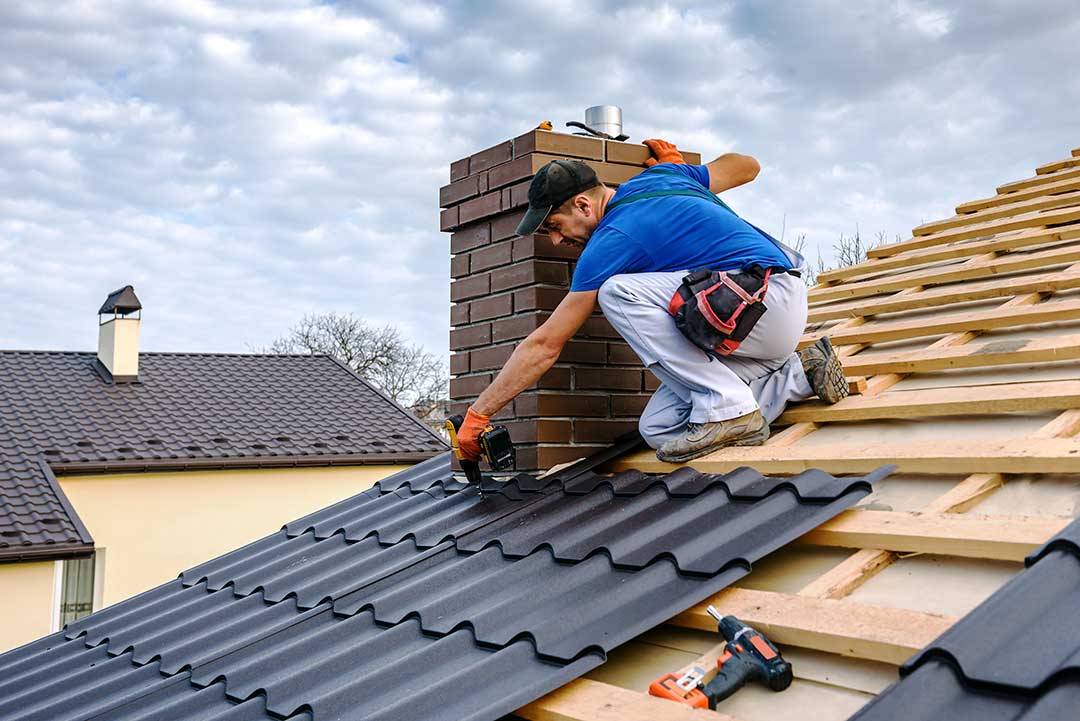
Energy savings vary widely. A home with a sound roof, adequate insulation, and limited air leakage may see little change after replacement. A home with major attic heat loss, moisture problems, or damaged insulation may experience a more noticeable improvement after those issues are corrected.
Results depend on factors such as:
- Home size and layout
- Heating and cooling equipment
- Existing insulation levels
- Air leakage
- Window condition
- Roof exposure and shading
- Indoor temperature settings
- Household energy habits
- The extent of repairs completed during replacement
Utility bills also change with weather and energy prices, so comparing only two monthly bills can be misleading. A better approach is to compare energy use over similar periods, such as heating-degree or cooling-degree seasons, while accounting for changes in occupancy and thermostat settings.
Are there signs that the roof is contributing to high energy bills?
Roof-related energy problems may be present when rooms directly below the attic are noticeably hotter or colder than the rest of the home. Other warning signs include:
- Ice dams or heavy icicles during winter
- A very hot attic during summer
- Frost or dampness on attic surfaces
- Uneven insulation
- Rising heating or cooling use without a clear change in household habits
- Peeling paint or moisture stains near ceilings
- Drafts around attic access points
- Roof leaks that have affected insulation
These signs do not prove that the roof is the sole cause of high bills. Heating equipment, ductwork, windows, doors, and foundation air leakage may also contribute.
What should be prioritized if the roof needs replacement?
The practical priority is to keep water out first, then address the conditions that control heat and moisture. A sound roof covering protects insulation and framing, but energy performance depends on the entire roof-and-attic assembly.
For many older homes, the most useful improvements are air sealing, correcting ventilation pathways, and restoring adequate insulation during the replacement process. These measures can improve comfort and reduce the amount of work required from heating and cooling equipment without relying on roofing material alone.
In Newark, seasonal weather makes durability and energy performance closely connected. A roof that sheds snow and rain properly, allows the attic to dry, and limits unwanted heat transfer can help protect the home while making indoor temperatures easier to maintain.
