
Why do gutters matter to a roof?
Regular gutter cleaning helps keep rainwater and melting snow moving away from the roof, siding, foundation, and other parts of the home. When gutters are blocked, water can back up beneath roofing materials, collect along roof edges, or spill against exterior walls.
For homes in Newark, NY, this matters during a range of seasonal conditions. Spring rain, summer thunderstorms, autumn leaves, and winter snow and ice can all affect how well a gutter system works. Gutter maintenance is not separate from roof care; it is part of managing how water leaves the roof.
A roof is designed to shed water across its surface and toward the edges. Gutters and downspouts then carry that water away from the structure. If debris interrupts that path, the roof edge and nearby building materials may be exposed to more moisture than they were designed to handle.
What happens when gutters become clogged?
A clogged gutter may cause water to overflow in several directions. Some of the water can run down the fascia boards, soffits, siding, or trim. Other water may remain in the gutter, adding unnecessary weight to the system and increasing stress on the fasteners that hold it to the roofline.
Common problems associated with blocked gutters include:
- Water stains or peeling paint beneath the roof edge
- Rot in fascia boards, soffits, and roof-edge sheathing
- Damp areas around exterior walls and window openings
- Erosion or pooling near the foundation
- Ice buildup along the roof edge during freezing weather
- Sagging gutters or separated joints
- Increased insect activity in wet, debris-filled areas
Not every roof leak begins with damaged shingles. In some cases, water enters through deteriorated roof-edge components, flashing, or wood that has remained wet for too long. A gutter blockage can contribute to those conditions even when the visible roofing surface appears intact.
Can poor gutter drainage damage shingles?
Poor drainage does not always damage shingles directly, but it can create conditions that shorten the useful life of roofing materials. Water that repeatedly overflows across the roof edge may wet the underlying wood and edge components. During freezing weather, trapped moisture can expand and contract, worsening small gaps or weak areas.
Debris can also hold moisture against the lower portion of the roof. Leaves, twigs, and organic material may collect near valleys, roof edges, or gutter outlets. These areas can dry slowly, especially during cool or overcast weather.
A small amount of granule loss from asphalt shingles is normal as a roof ages. However, persistent dampness, staining, loose materials, or visible deterioration near the eaves may indicate that drainage deserves attention along with the roofing surface.
Why is autumn gutter cleaning especially useful?
Autumn is often a critical time for gutter maintenance because falling leaves can accumulate quickly. A gutter that appears clear in early fall may become blocked after several windy days or after nearby trees shed most of their leaves.
Cleaning before winter helps reduce the amount of organic debris left in the system during freezing weather. If water cannot drain, it may freeze inside the gutter and downspout. Ice is heavy, and repeated freezing and thawing can loosen brackets, separate seams, or distort the gutter channel.
A second inspection after the main leaf drop can also be useful. Cleaning schedules depend on the number of nearby trees, roof design, gutter size, and local weather. Homes surrounded by mature trees may need more frequent attention than homes with little vegetation near the roofline.
How can winter conditions affect gutters and roofs?
Winter creates several drainage concerns. Snow and ice can cover the roof, block gutter outlets, or make inspection unsafe. When temperatures rise, melting snow may travel toward gutters but fail to drain because of frozen debris or ice.
This can contribute to ice buildup along the lower roof edge. Ice dams are influenced by several factors, including roof temperature, attic insulation, ventilation, snow cover, and outdoor temperatures. A clogged gutter does not cause every ice dam, but it can prevent meltwater from leaving the roof edge efficiently.
Avoid using sharp tools, salt products, or open flames on roofing materials or gutters. These methods may damage shingles, metal components, vegetation, or exterior finishes. Winter gutter and roof work also presents a fall hazard, particularly when surfaces are icy or snow-covered.
How often should gutters be cleaned?
There is no single schedule that fits every home. Many houses need cleaning at least twice a year, commonly in late spring and after the main autumn leaf drop. Some properties require more frequent cleaning because of:
- Large trees near the house
- Low-slope roof sections
- Roof valleys that concentrate debris
- Small or narrow downspouts
- Nearby construction or airborne debris
- Heavy seasonal storms
- Gutter sections that are difficult to access
The condition of the system matters as much as the calendar. Gutters should be checked for sagging, loose fasteners, separated joints, rust, cracks, and downspouts that discharge too close to the foundation.
A simple test during light rainfall can reveal whether water is moving properly. Water should flow toward the downspouts without prolonged pooling or spilling over the front edge. Downspout extensions should direct water away from the foundation rather than allowing it to collect beside the house.
What signs suggest a roof-and-gutter problem?

Some warning signs are visible from the ground, while others may appear inside the home. Watch for:
- Water overflowing from gutters during ordinary rain
- Dark streaks or moisture marks below the roof edge
- Gutters pulling away from the fascia
- Peeling paint or soft wood around soffits
- Pooled water near the foundation
- Damp attic insulation or roof sheathing
- Water stains on upper-floor ceilings or walls
- Shingle edges that appear lifted, curled, or deteriorated
A single symptom does not identify the exact cause. For example, an interior ceiling stain may result from roof flashing, plumbing, ventilation, or condensation rather than gutters alone. The useful approach is to examine the entire drainage path—from the roof surface to the gutter, downspout, and discharge area.
Is gutter cleaning safe to do personally?
Gutter cleaning can be a routine household task, but it becomes hazardous when ladders, steep roofs, electrical lines, unstable ground, or icy conditions are involved. Falls are a major concern, and leaning a ladder against the gutter itself can damage the gutter and create instability.
Basic precautions include:
- Avoiding roof access during wet, icy, or windy weather
- Using a stable ladder on firm, level ground
- Keeping both hands available whenever possible
- Wearing gloves to protect against sharp metal and hidden debris
- Avoiding contact with overhead electrical lines
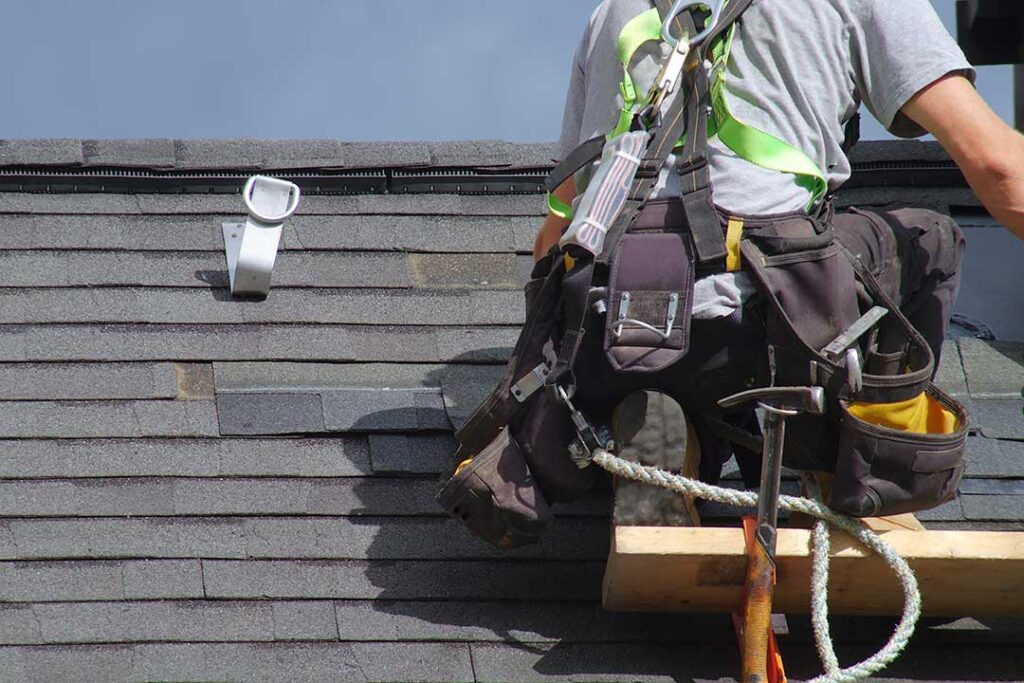
- Never working from a roof edge without appropriate fall protection
If the gutter system is unusually high, damaged, difficult to reach, or connected to visible roof deterioration, professional evaluation may be necessary for safety. The goal is not simply to remove leaves; it is to maintain a safe, continuous path for water to leave the building.
How does gutter care fit into roof maintenance?
Gutter cleaning does not replace roof inspections, shingle repairs, attic ventilation checks, or flashing maintenance. It supports those tasks by reducing preventable moisture exposure at the roof edge and around the foundation.
A practical seasonal routine is to inspect the roofline and drainage system in spring, check for storm-related damage during summer, clean after the main autumn leaf drop, and watch for winter overflow or ice-related concerns. Keeping notes about recurring clogs, leaks, or sagging sections can help identify patterns before damage spreads.
For area households, regular gutter care is a relatively simple part of protecting roofing materials. Clean gutters cannot prevent every roof problem, but they help ensure that rain and melting snow follow the drainage route the home was designed to use.
