
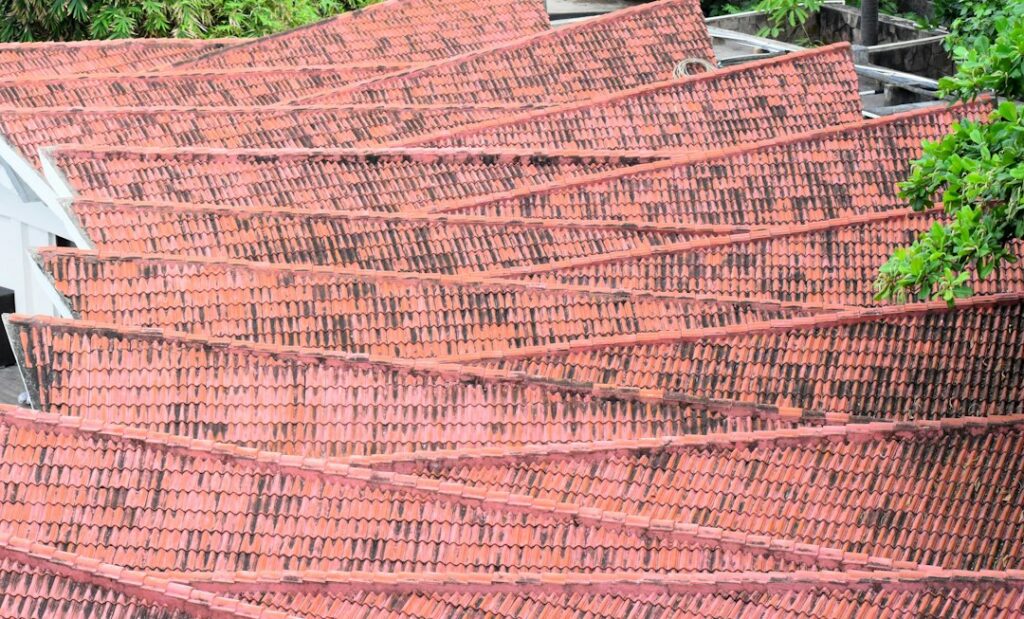
A roof rarely fails all at once. More often, aging appears through small changes: rough or missing shingles, recurring leaks, sagging areas, failing sealants, or moisture in the attic. The signs differ by roofing material, so identifying the roof type is the first step toward understanding what normal wear looks like.
Why does roof aging matter in Newark, NY?
Roof materials are affected by sunlight, temperature changes, wind, rain, snow, and repeated freezing and thawing. In Newark, winter moisture and ice can place extra stress on flashing, roof edges, valleys, and drainage areas. Summer heat and ultraviolet exposure also gradually weaken exposed surfaces.
Age alone does not determine whether a roof is failing. A well-maintained roof may perform beyond its expected service range, while poor ventilation, storm damage, trapped moisture, or installation problems can shorten its life.
Look for patterns rather than a single flaw. One loose shingle may be storm damage. Widespread granule loss, repeated repairs, and visible deck movement suggest broader aging.
What does aging look like on asphalt shingle roofs?
Asphalt shingles commonly show aging through surface wear, loss of flexibility, and breakdown around edges and fasteners.
Visible warning signs include:
- Shingles that curl upward at the corners or along the lower edges
- Cracked, blistered, or brittle shingle surfaces
- Areas where the colored granules have worn away
- Bald patches or exposed dark underlayment
- Missing shingles after ordinary wind
- Exposed or rusting nails
- Worn valleys where water flows most often
- Excessive granules collecting in gutters or at downspout outlets
Granules protect the asphalt coating from sunlight and weather. A small amount of granule loss is normal, especially after installation, but heavy accumulation years later may indicate surface deterioration.
Shingles that appear wavy can point to poor ventilation, moisture beneath the roof covering, or an uneven roof deck. Waviness is different from the regular shadow lines created by properly installed dimensional shingles.
Inside the attic, check for damp insulation, darkened wood, rust around nails, or daylight showing through the roof deck. A roof can look acceptable from the ground while still allowing moisture into the assembly.
How can aging be recognized on metal roofs?
Metal roofs often age more gradually than asphalt roofs, but their fasteners, seams, coatings, and penetrations can deteriorate before the panels themselves become unusable.
Common signs include:
- Rust at cut edges, exposed fasteners, or scratched areas
- Faded, chalky, or peeling protective coatings
- Loose or missing screws with worn washers
- Open seams or separated overlapping panels
- Punctures, dents, or distorted sections
- Water stains below roof penetrations
- Corrosion around chimneys, vents, skylights, or roof-wall transitions
Minor dents do not always mean a metal roof is leaking. Hail or falling branches may leave cosmetic damage without breaking the weather barrier. However, sharply creased panels, open seams, or corrosion around fasteners deserve closer attention.
Expansion and contraction can loosen fasteners over time. A repeating line of leaks along panel joints may be more significant than an isolated surface blemish.
What are the signs of aging on wood shingles and shakes?
Wood roofing changes noticeably with moisture and sunlight. Aging may appear as splitting, cupping, moss growth, or uneven darkening.
Watch for:
- Long cracks running with the grain
- Shakes that curl, cup, or pull away from the roof
- Soft or spongy wood
- Rot near eaves, valleys, or shaded sections
- Missing pieces or thinning edges
- Heavy moss, lichen, or organic buildup
- Visible gaps that expose the underlayment
Wood roofs need airflow and the ability to dry after wet weather. Persistent moss is not merely a cosmetic issue; it can hold moisture against the material and speed decay. Do not scrape aggressively across the roof, since brittle shingles can break under pressure.
A small amount of color variation is normal. Widespread softness, splitting, and loss of thickness indicate that the material is no longer shedding water reliably.
How does aging appear on slate or tile roofs?
Slate and tile can last for many decades, but individual pieces may crack, slip, or become loose while the underlying roof remains difficult to see.
For slate roofs, look for:
- Cracked, broken, or delaminating slates
- Slates that have slipped out of alignment
- Nail holes or rusting fasteners
- Powdery or flaky surfaces
- Repeated repairs concentrated in one area
For clay or concrete tile roofs, warning signs include:

- Broken or displaced tiles
- Cracks near fasteners or support points
- Crumbling edges
- Loose ridge or hip materials
- Failed mortar or sealant
- Water stains beneath valleys and penetrations
Walking on slate or tile can cause damage because these materials may break under concentrated weight. Visual inspection from the ground, attic, or a safely accessed area is preferable.
What should be checked on flat or low-slope roofs?
Flat and low-slope roofs age differently because water drains more slowly and may remain on the surface after rain or melting snow.
Look for:
- Ponding water that remains for more than a short period
- Blisters or bubbles in the membrane
- Open seams or lifted edges
- Cracks around drains and penetrations
- Shrinkage that pulls flashing away from walls
- Exposed reinforcement or deteriorated coatings
- Soft areas in the roof deck
Ponding is a drainage concern, not simply a sign of a dirty roof. It may result from blocked drains, settlement, inadequate slope, or a deteriorated surface. Repeated standing water can accelerate membrane failure and add unnecessary weight.
On low-slope roofs, the condition of flashing and edge metal is often just as important as the main roof field. A membrane may appear intact while water enters at a parapet, vent, curb, or transition.
Which roof-aging signs require prompt attention?
Some conditions should not be treated as routine maintenance. Prompt evaluation is warranted when there is:
- A sagging roof plane or ridge
- A ceiling stain that grows after rain or thawing
- Active dripping or wet insulation
- Large areas of missing roofing
- Exposed roof decking
- A damaged chimney or roof penetration
- Heavy snow or ice combined with visible structural movement
- Water entering near electrical equipment
Snow and ice can conceal damage and add weight to an already weakened roof. Avoid climbing onto an icy roof or attempting to remove roof snow from an unsafe position. Structural movement, interior water entry, or widespread failure may require immediate attention for safety reasons.
How can homeowners estimate whether aging is widespread?
A simple ground-level inspection can reveal useful patterns. Check roof slopes from several angles, then compare those observations with the attic and upper-floor ceilings. Record the locations of stains, repairs, missing materials, and areas where gutters contain unusual debris.
Also review the roof’s history, if available. The installation date, previous storm repairs, reroofing layers, attic ventilation changes, and insulation work can explain why two roofs of the same age are wearing differently.
The most reliable assessment considers both the covering and the system beneath it: flashing, ventilation, drainage, underlayment, decking, and structural support. A roof may need repair because of one localized defect, while widespread aging may make continued patching less dependable.
